

Blog
Andalusia Travel Guide: Best Places to Visit

Andalusia doesn’t do subtle. In 2026, southern Spain is still all golden light, Moorish arches, late dinners, and beaches that make you forget to check your phone. If you want history that feels lived-in, food that ruins you for anything back home, and cities that come alive after 10pm, this is your region.
Andalusia packs Roman ruins, Islamic palaces, Catholic cathedrals, white villages, and two coastlines into one region the size of Portugal. The high-speed AVE train now connects Seville, Córdoba, Granada, and Málaga in under 3 hours total, which means you can cover serious ground without renting a car. Plus, 2026 brings a few updates: Málaga’s new tourist tax started in January, Seville’s is coming mid-year, and the Alhambra’s ticket system is stricter than ever. Plan ahead and you’ll avoid the headaches.
Seville: The Capital With Attitude
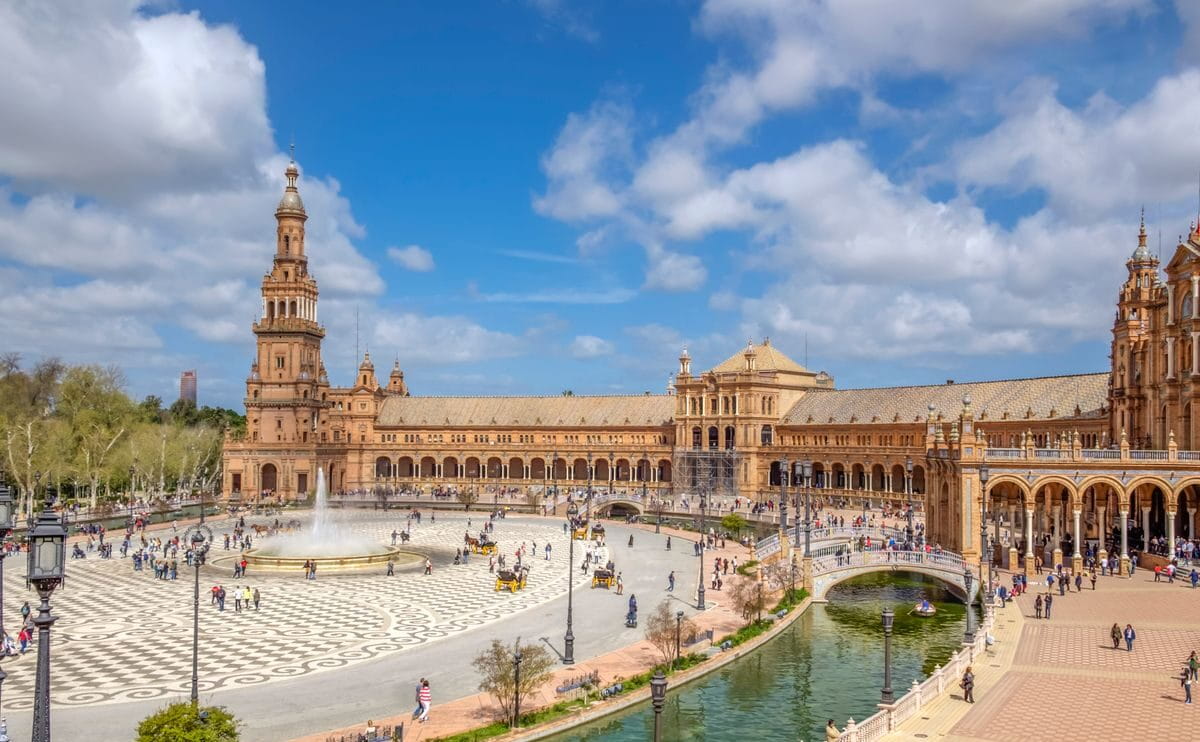
Seville is flamboyant, hot, and impossible to ignore. The Royal Alcázar is a working royal palace that looks like Game of Thrones set design. Seville Cathedral is the largest Gothic cathedral in the world, and climbing the Giralda bell tower gives you the whole city at your feet. By night, Plaza de España lights up and Triana buzzes with flamenco bars.
Don’t miss: A sunset by the Guadalquivir River, orange wine in a taberna, Feria de Abril Apr 21–26, 2026.


Granada: The Alhambra Town
Granada exists in the shadow of the Alhambra, and that’s not a bad thing. The palace complex is 13th-century Islamic architecture at its peak. Nasrid Palaces, Generalife gardens, fortress walls — give it a full morning. Then spend your afternoon in the Albaicín, the old Arab quarter with white houses and killer Alhambra views. Granada’s also a student city, so you still get free tapas with your drink in most bars.
Don’t miss: Mirador de San Nicolás at sunset, Paseo de los Tristes, International Music and Dance Festival June–July 2026.

Córdoba: The Mezquita City
Córdoba’s Mezquita is the reason to come. A 10th-century mosque turned cathedral, it has 850+ red-and-white arches that feel endless. The old Jewish Quarter around it is all narrow lanes and hidden patios. If you’re here May 4–17, 2026, the Patio Festival opens private courtyards stuffed with flowers. It’s UNESCO-listed for a reason.
Don’t miss: Roman Bridge at golden hour, rabo de toro oxtail stew, judging the patio competition.

Málaga: No Longer Just an Airport
Málaga shed its “fly-in, drive-out” reputation. You’ve got Picasso’s birthplace museum, a renovated port, a hilltop Alcazaba fortress, and city beaches 15 minutes from the center. El Palo and Pedregalejo are the neighborhoods for espetos, sardines grilled on boats right on the sand.
Don’t miss: Climbing to Gibralfaro Castle, Atarazanas Market, Málaga Film Festival Mar 6–15, 2026.

Ronda is the one that makes your stomach drop. The town is split in half by El Tajo gorge, a 100-meter deep gash in the earth, with the Puente Nuevo bridge stitching it back together. Standing on that bridge is the whole point. You look straight down at the Guadalevín River and realize why bandits and poets both loved this place.
The old town on one side is all whitewashed houses, cobbled lanes, and tiny squares where old men play cards. The newer side has the bullring, one of the oldest in Spain, and tapas bars where you’ll end up ordering another round because the view of the mountains doesn’t quit.
Hemingway and Orson Welles both fell for Ronda, and you get it immediately. It’s dramatic without trying. Sunset turns the gorge gold, the bridge lights up, and for a minute the whole place feels like it’s from another century.

Cádiz
Cádiz feels like it’s clinging to the edge of Europe, because it is. Europe’s oldest continuously inhabited city sits on a thin strip of land nearly surrounded by the Atlantic, and the sea shows up everywhere — in the salty air, the seafood, the golden light that bounces off 18th-century watchtowers. The old town is a maze of narrow streets that all somehow spill out onto plazas or the ocean. You’ll spend your day wandering from La Caleta beach, where fishermen still fix nets by hand, to the Cádiz Cathedral with its dome of yellow tiles, to the central market for fried tortillitas de camarones and a cold beer. It’s scrappy, bright, and unpolished in the best way. Carnival here in February is legendary — locals spend all year writing satirical songs to perform in the streets. Even without the party, Cádiz gives you that rare mix: 3,000 years of history, beaches you can walk to from the city center, and a local vibe that hasn’t been polished for tourists yet.

Andalusia isn’t a place you rush. It’s morning light in the Mezquita, a cold juice after the Alhambra, a beach where the only sound is waves, and a city that wakes up when you’d normally go to bed.
Book the Alhambra first. Everything else can follow.
Seven days will give you a taste. It won’t be enough. Nobody’s first trip to Andalusia is their last.
Plaza de España, Sevilla
Isabel la Católica, 41004