

Blog
Best Things to Do in Málaga in 2026: 25 Unique Experiences

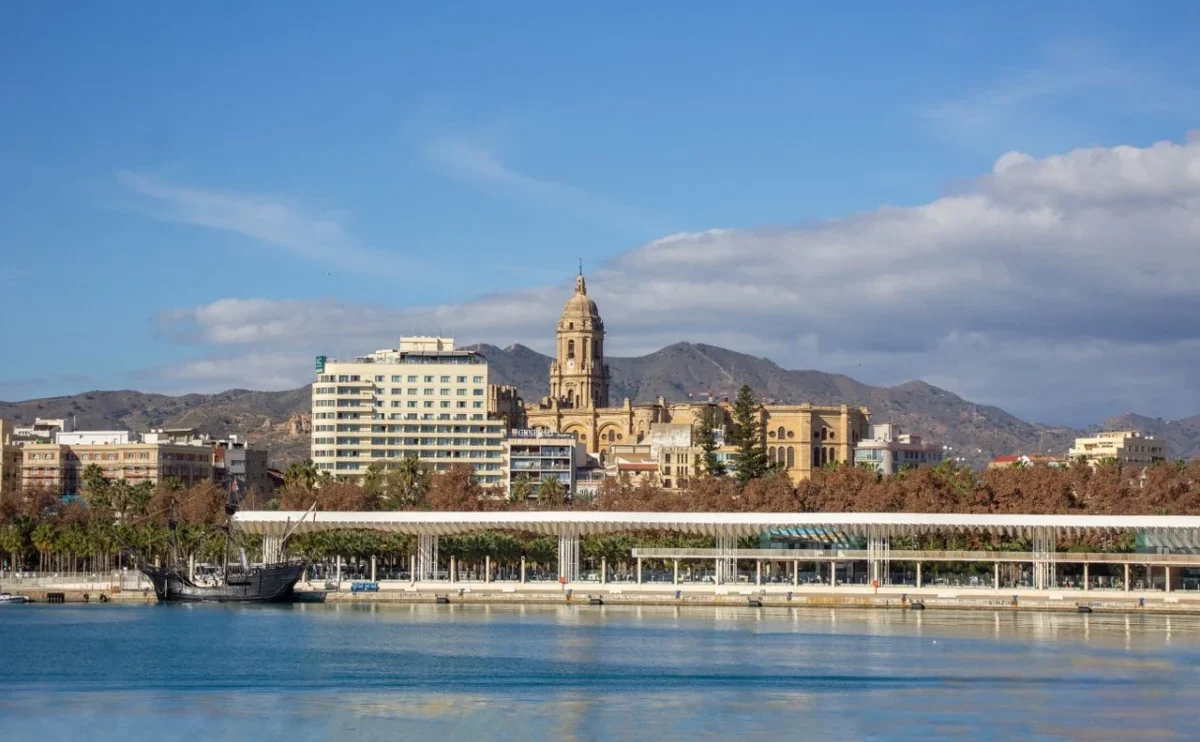
Planning a trip to Málaga? This Mediterranean city combines more than 3,000 years of history with Moorish architecture, world-class museums, beautiful beaches, traditional tapas, lively streets and spectacular coastal scenery.
Whether you’re visiting Málaga for a weekend or using it as your base for exploring the Costa del Sol, there are plenty of experiences worth adding to your itinerary.
From exploring the Alcazaba and Gibralfaro Castle to discovering Picasso’s Málaga, relaxing on the beach, eating fresh seafood in Pedregalejo and taking a day trip to the Caminito del Rey, these are the 25 best things to do in Málaga in 2026.
Quick answer: If you only have one day in Málaga, prioritize the Alcazaba, Roman Theatre, Málaga Cathedral, Picasso Museum, historic center, Muelle Uno and a sunset viewpoint.
Málaga at a Glance
Experience |
Recommended time |
Best for |
|---|---|---|
| Alcazaba | 1–1.5 hours | History & architecture |
| Gibralfaro Castle | 1–1.5 hours | Views & history |
| Málaga Cathedral | 45–60 min | Architecture |
| Picasso Museum | 1–1.5 hours | Art & culture |
| Historic center | 2–3 hours | Walking & food |
| Atarazanas Market | 45–60 min | Food |
| Muelle Uno | 1–2 hours | Shopping & waterfront |
| Pedregalejo | 2–3 hours | Beach & seafood |
| Málaga beaches | 2–4 hours | Relaxation |
| Caminito del Rey | Half/full day | Adventure |
1. Explore the Alcazaba of Málaga
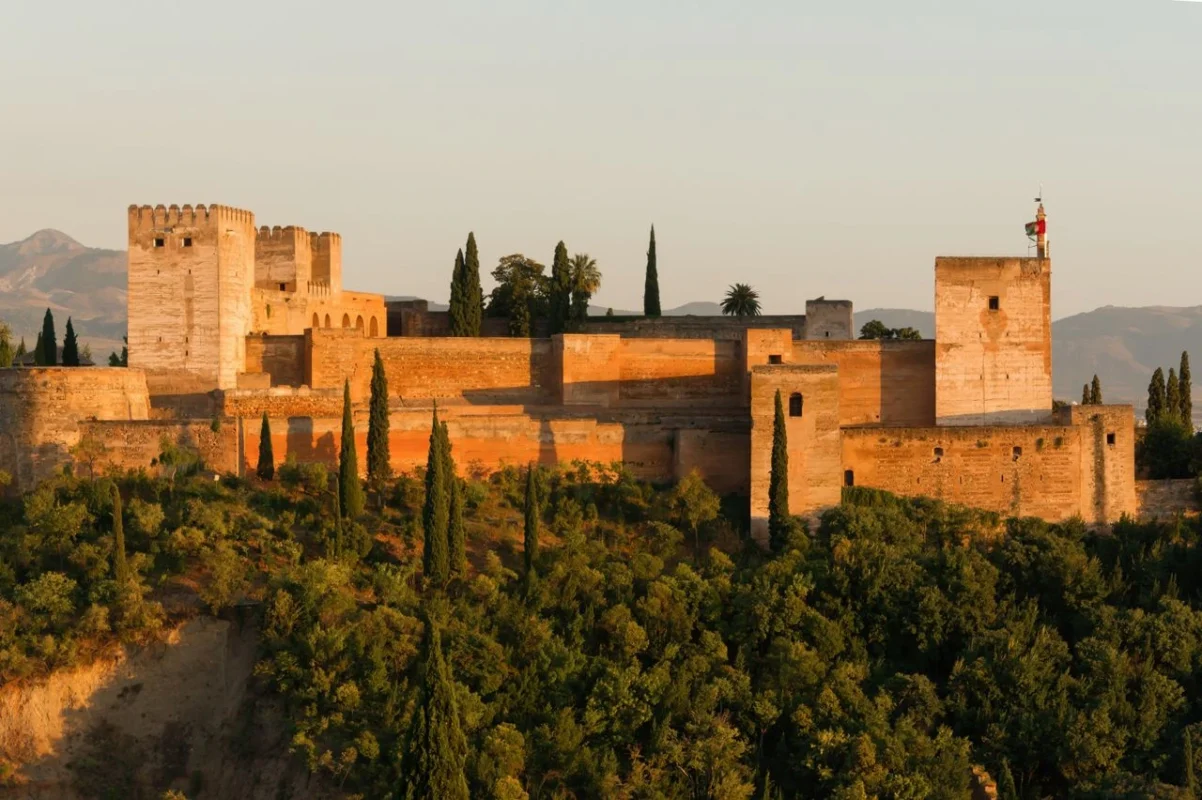
The Alcazaba is one of Málaga’s most impressive historical landmarks and one of the first places you should visit.
Built largely during the 11th century, this Moorish fortress rises above the historic center and combines defensive walls, courtyards, gardens, towers and panoramic viewpoints.
As you walk through the complex, you’ll discover horseshoe arches, landscaped gardens, water features and remnants of Málaga’s Islamic past.
One of the highlights is the view toward the Roman Theatre below and the Mediterranean beyond.
The Alcazaba is particularly atmospheric in the morning, when temperatures are cooler and the light is excellent for photography.
Premium tip: Combine the Alcazaba with Gibralfaro Castle rather than visiting them separately. The official combined ticket currently offers access to both monuments.
2. See the Roman Theatre
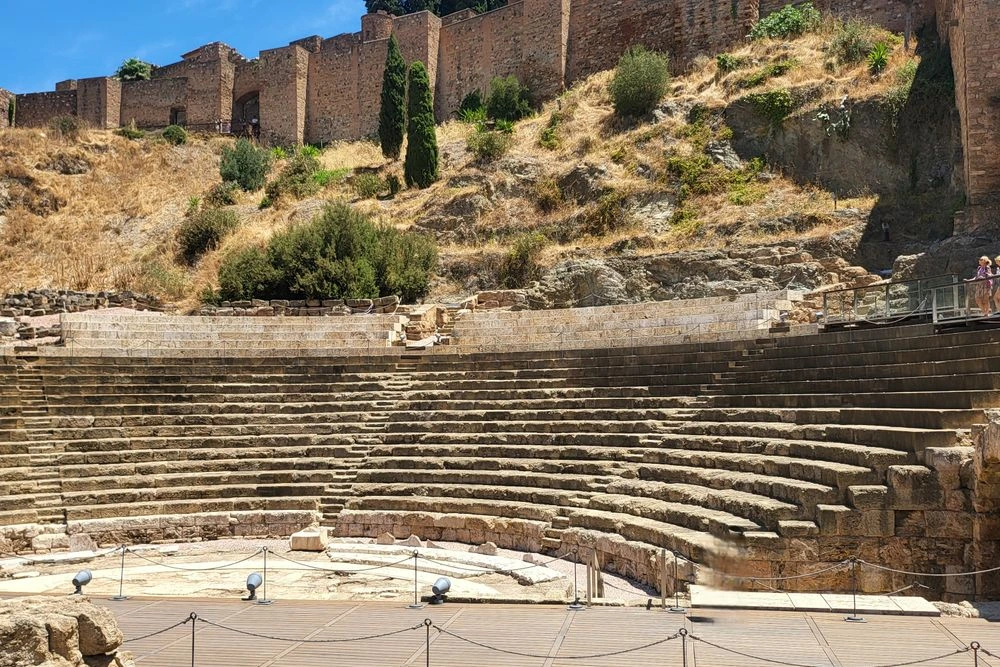
Directly below the Alcazaba is the Roman Theatre of Málaga, creating one of the city’s most interesting historical combinations.
The theatre dates from the Roman period and provides a fascinating reminder that Málaga’s history stretches far beyond its Moorish heritage.
The archaeological remains are particularly impressive when viewed together with the Alcazaba rising behind them.
You can visit the theatre area before entering the Alcazaba, making it an easy addition to your sightseeing route.
Best combination: Roman Theatre → Alcazaba → Málaga Cathedral.
3. Walk Up to Gibralfaro Castle
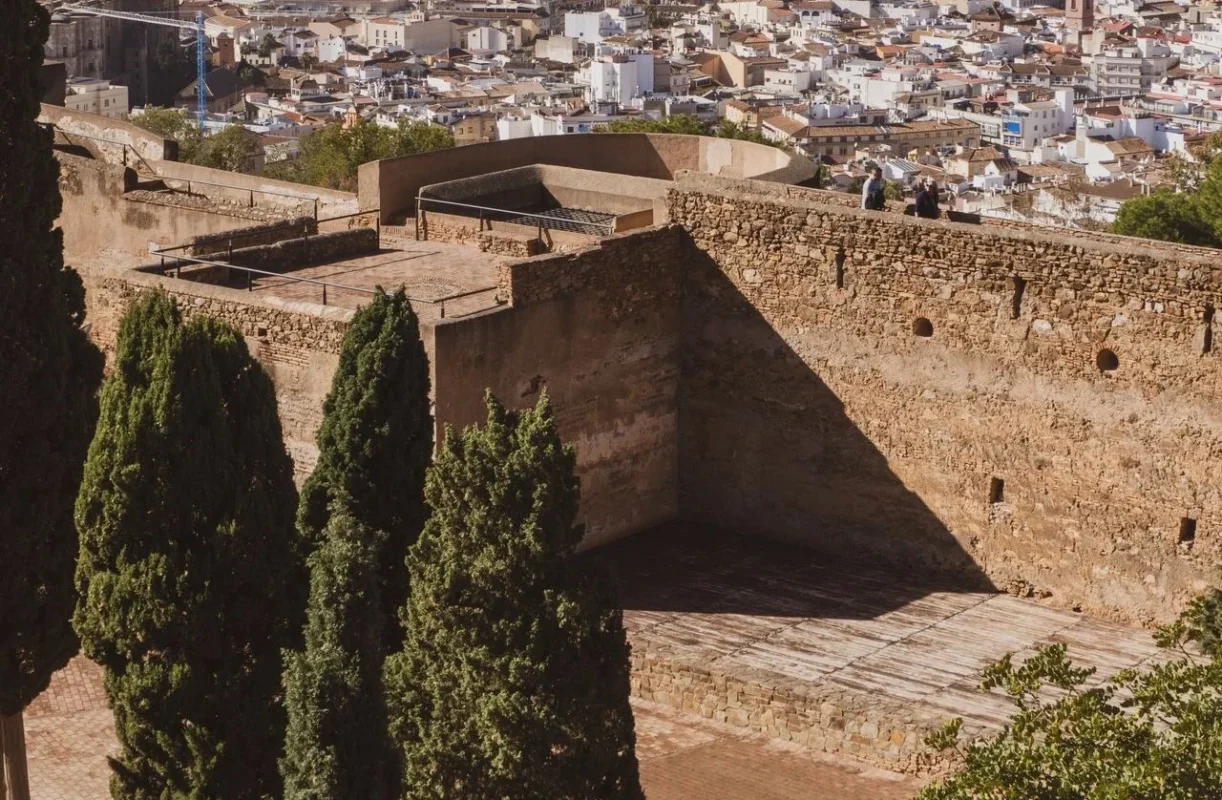
For some of the best panoramic views in Málaga, make your way to Gibralfaro Castle.
The fortress sits approximately 132 metres above sea level and overlooks the city, port and Mediterranean.
Walking along the ancient walls gives you a completely different perspective of Málaga.
From the viewpoints, you can see:
- Málaga Cathedral
- The historic center
- Málaga port
- La Malagueta
- The Mediterranean coastline
- The surrounding mountains
The climb can be demanding during the hottest part of the day, so go early or later in the afternoon.
4. Visit Málaga Cathedral
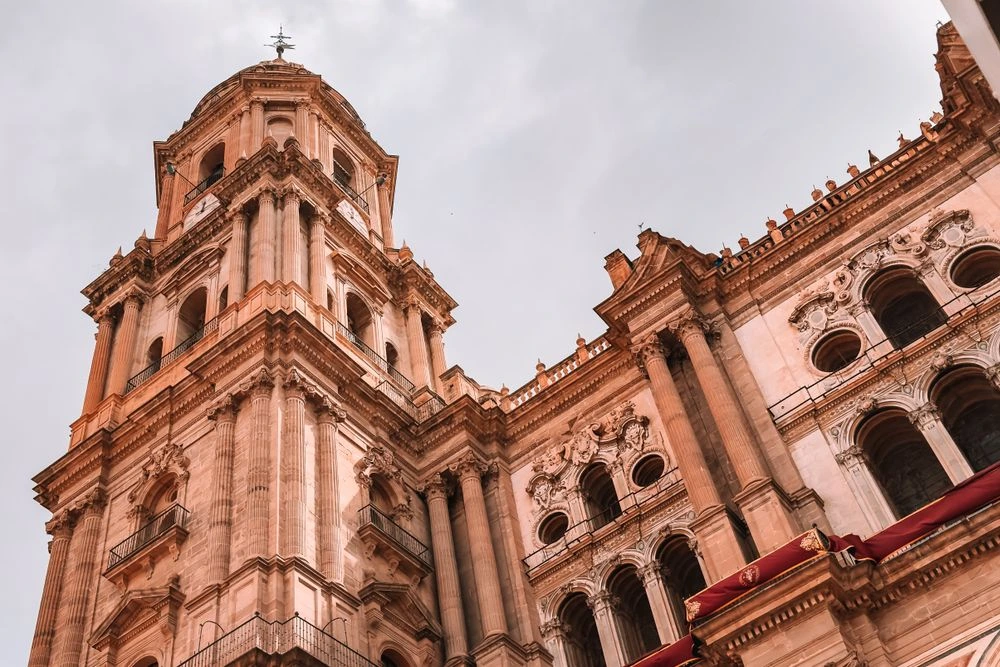
Málaga Cathedral is one of the city’s most recognizable landmarks.
Its enormous Renaissance structure dominates the historic center and has earned the nickname La Manquita, meaning “The One-Armed Lady,” because one of its towers was never completed.
Inside, look for the impressive vaulted ceilings, chapels, artwork and richly decorated interior.
The cathedral is especially impressive when approached along the surrounding pedestrian streets.
5. Discover Picasso at the Picasso Museum Málaga
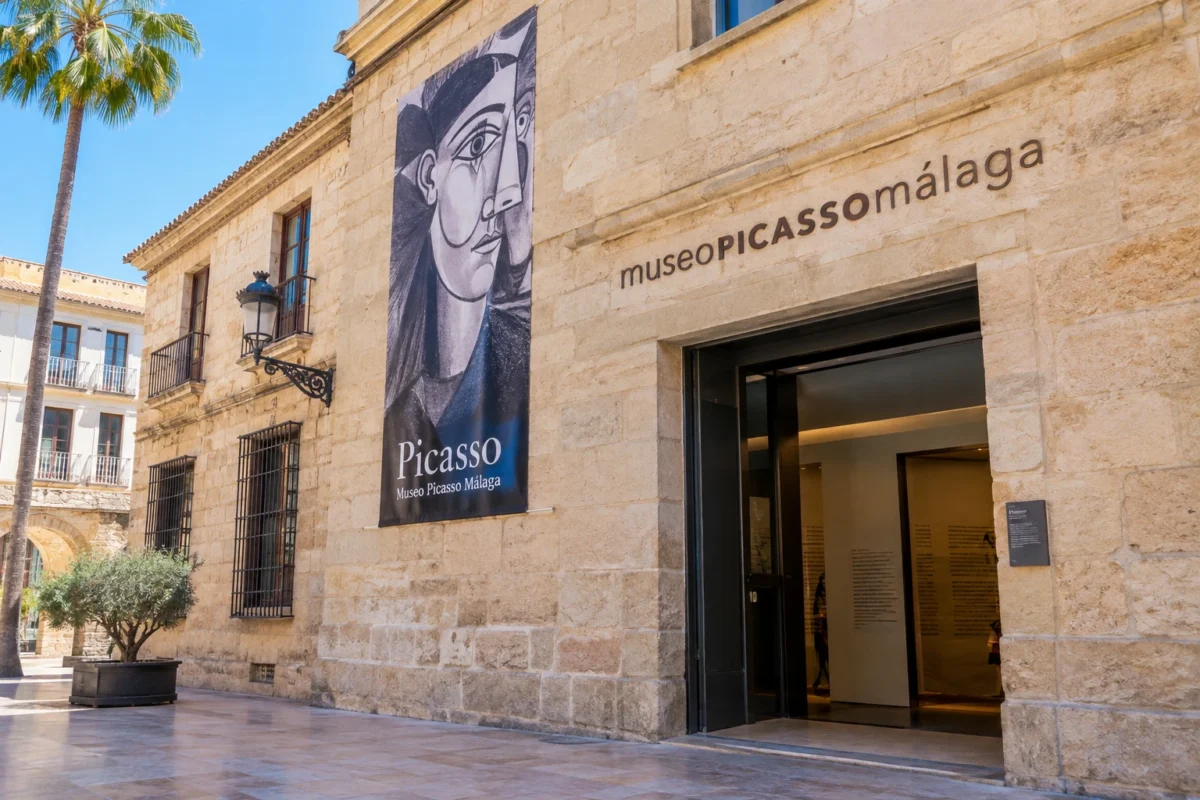
Málaga is the birthplace of Pablo Picasso, making the Picasso Museum one of the city’s most important cultural attractions.
The museum provides an opportunity to explore Picasso’s artistic development through a collection housed in the historic Buenavista Palace.
For art lovers, this is one of the essential Málaga experiences.
Even if you’re not normally a museum enthusiast, the combination of Picasso’s work and the historic building makes the visit worthwhile.
6. Visit Picasso's Birthplace
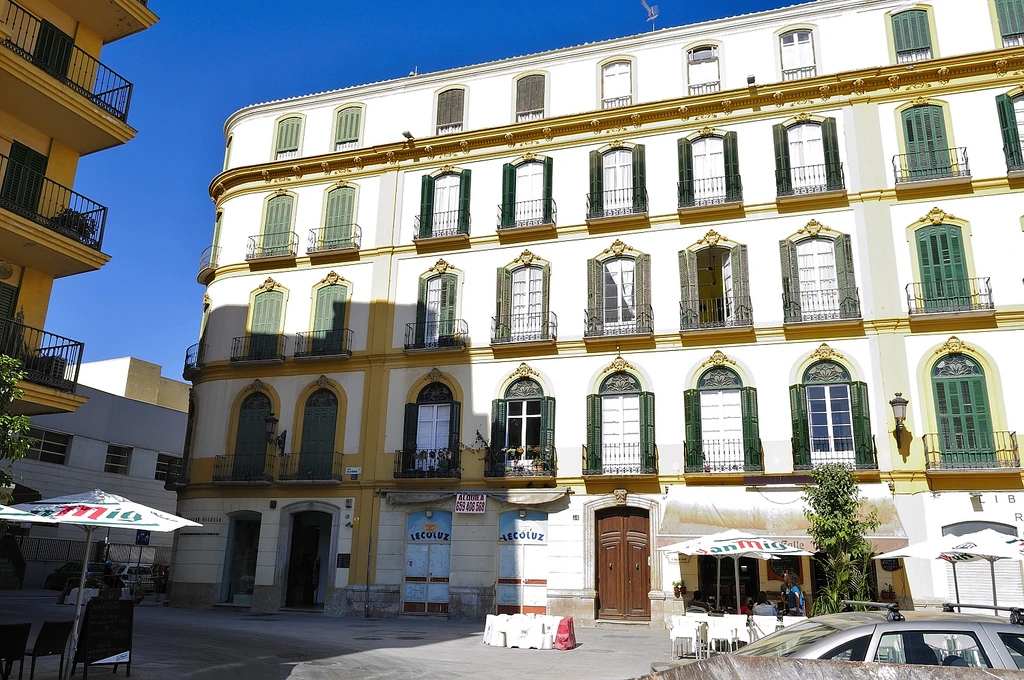
To go deeper into Málaga’s connection with Picasso, visit the Casa Natal Picasso at Plaza de la Merced.
This is where Picasso was born in 1881.
The attraction is smaller than the Picasso Museum, so it works well as part of a walking tour through the historic center.
Combine it with:
7. Explore Mercado Central de Atarazanas
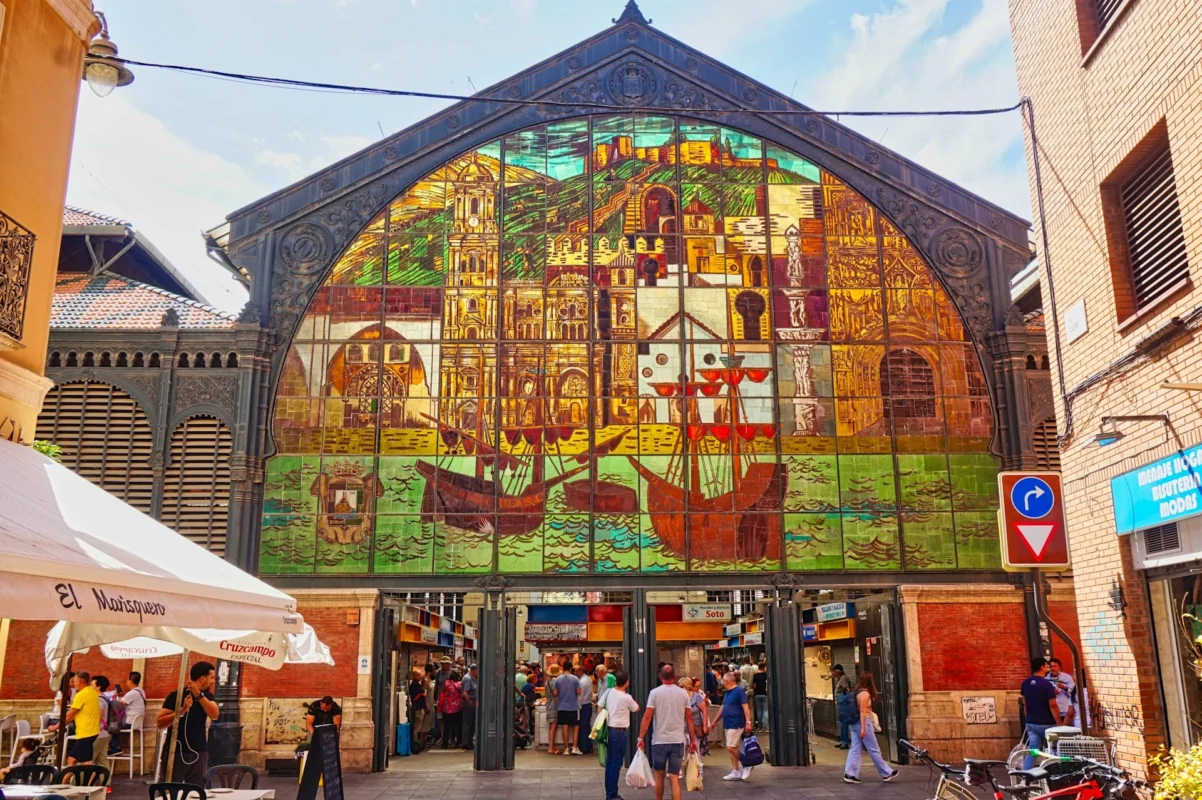
Food lovers shouldn’t miss Atarazanas Market, Málaga’s historic central market.
The market is housed in a building whose name refers to the former shipyards that once occupied the area.
Inside you’ll find stalls selling:
- Fresh seafood
- Fruit
- Vegetables
- Olives
- Cheese
- Cured meats
- Local specialties
It’s also an excellent place to experience Málaga beyond the major monuments.
8. Walk Along Calle Larios
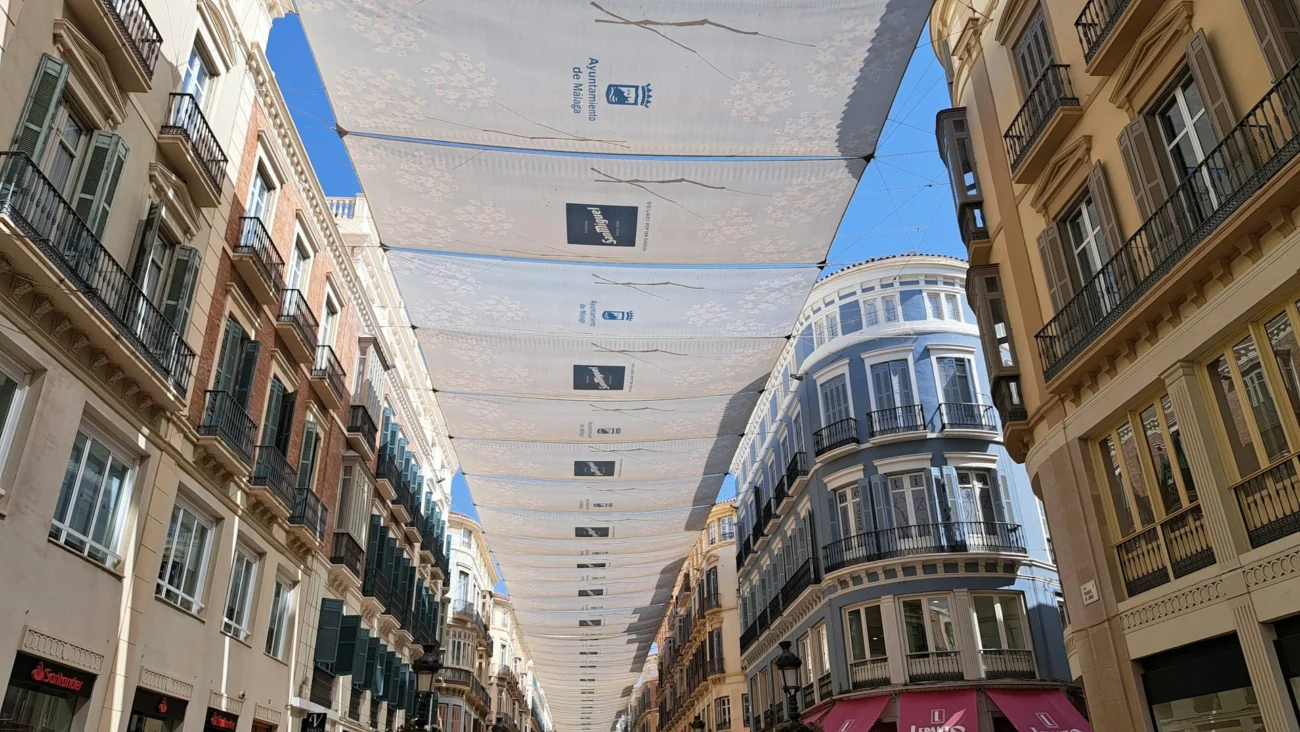
Calle Marqués de Larios, usually called Calle Larios, is Málaga’s best-known shopping street.
The elegant pedestrian street connects Plaza de la Constitución with the historic center and is one of the best places to experience the atmosphere of central Málaga.
During your walk, look for:
- Historic façades
- Designer stores
- Cafés
- Restaurants
- Seasonal decorations
It’s also an ideal starting point for exploring Málaga’s old town.
9. Relax in Plaza de la Constitución
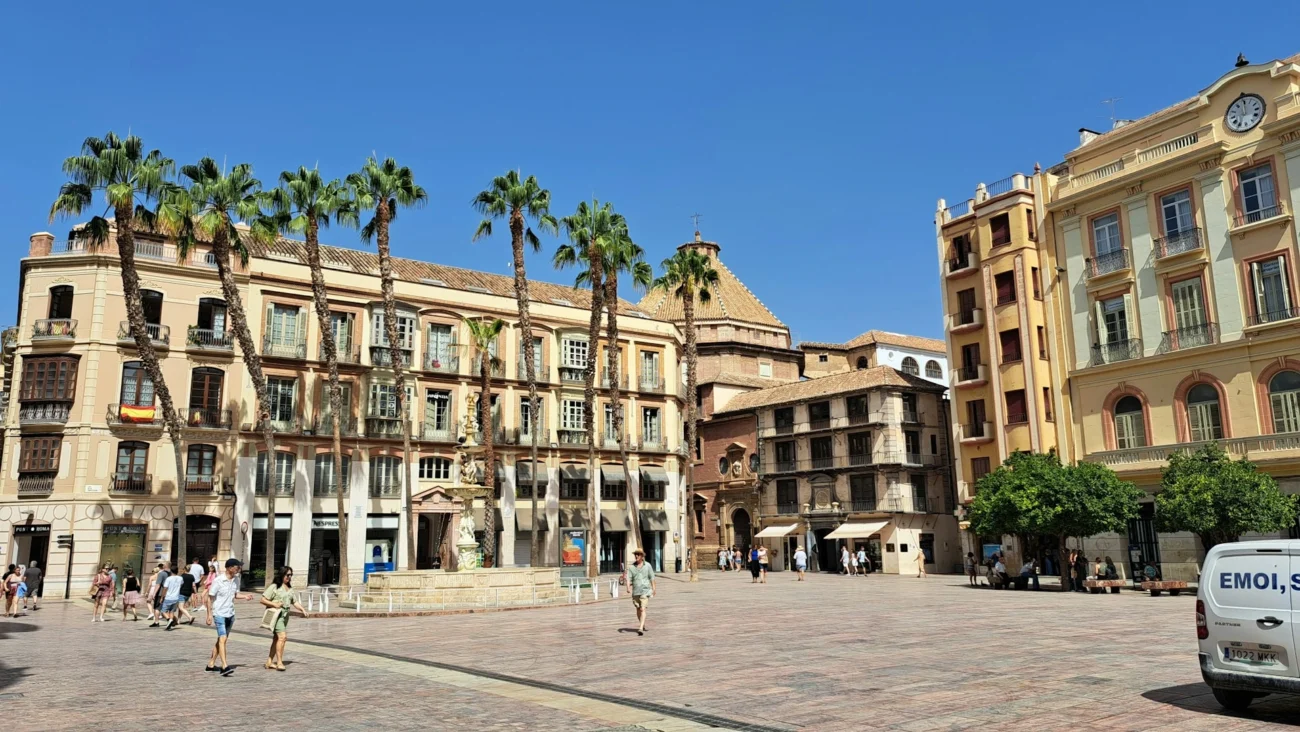
At the heart of Málaga’s historic center is Plaza de la Constitución.
Rather than treating it as just another square, use it as a central stop during your walking itinerary.
From here, you can easily continue toward Calle Larios, Málaga Cathedral, the Picasso Museum and the surrounding old-town streets.
Grab a coffee, watch the city go by and continue exploring.
10. Walk Through Málaga Park
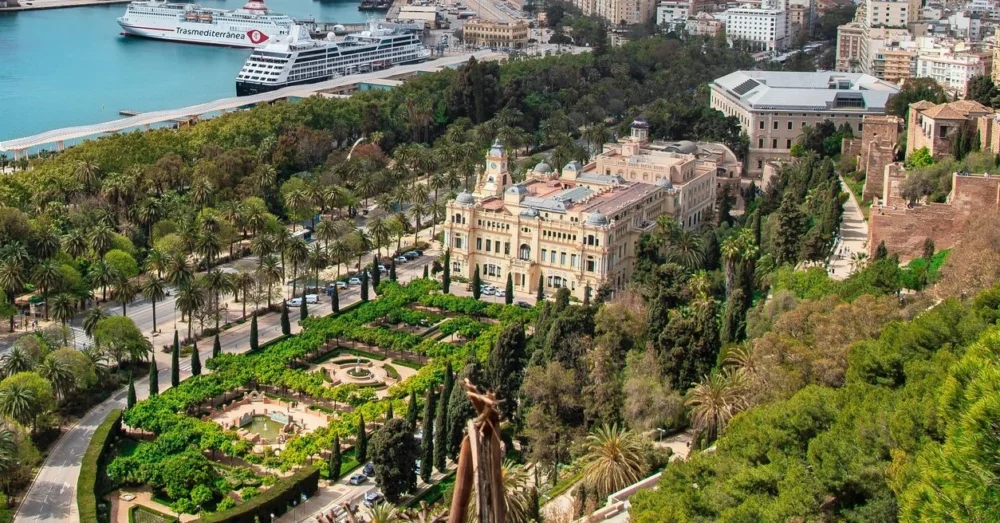
Málaga isn’t only about monuments and museums.
Parque de Málaga provides a green corridor between the historic center and the waterfront.
The park is filled with subtropical plants, fountains, sculptures and shaded paths.
It’s particularly pleasant when the weather is warm.
11. Explore Muelle Uno
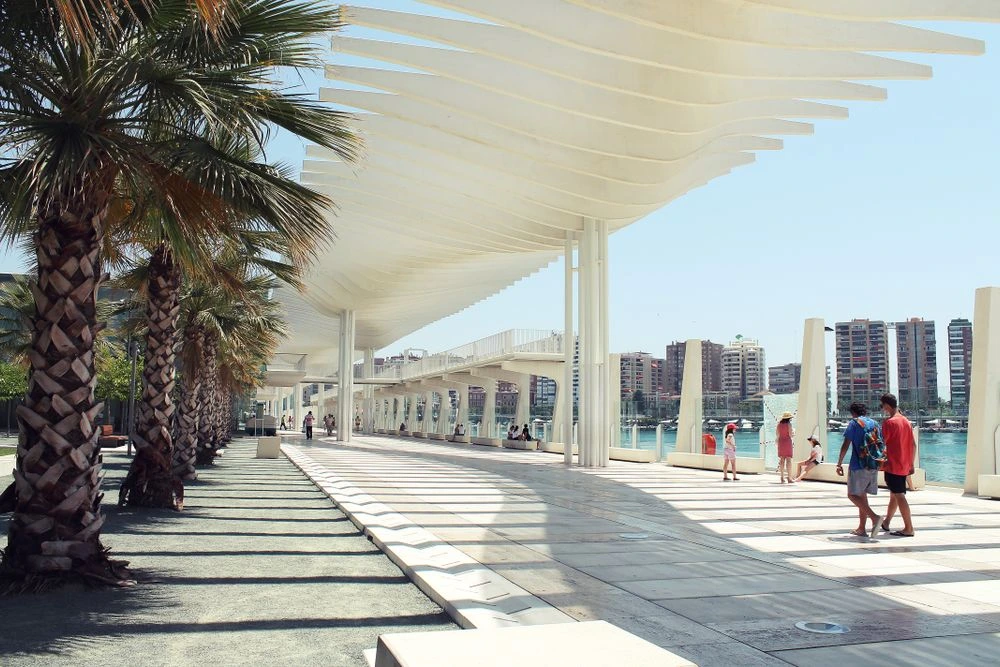
Muelle Uno is Málaga’s modern waterfront.
This lively area combines:
- Restaurants
- Cafés
- Shops
- Waterfront promenades
- Contemporary architecture
- Views across the port
It’s an excellent contrast to the city’s historic monuments.
12. See the Centre Pompidou Málaga
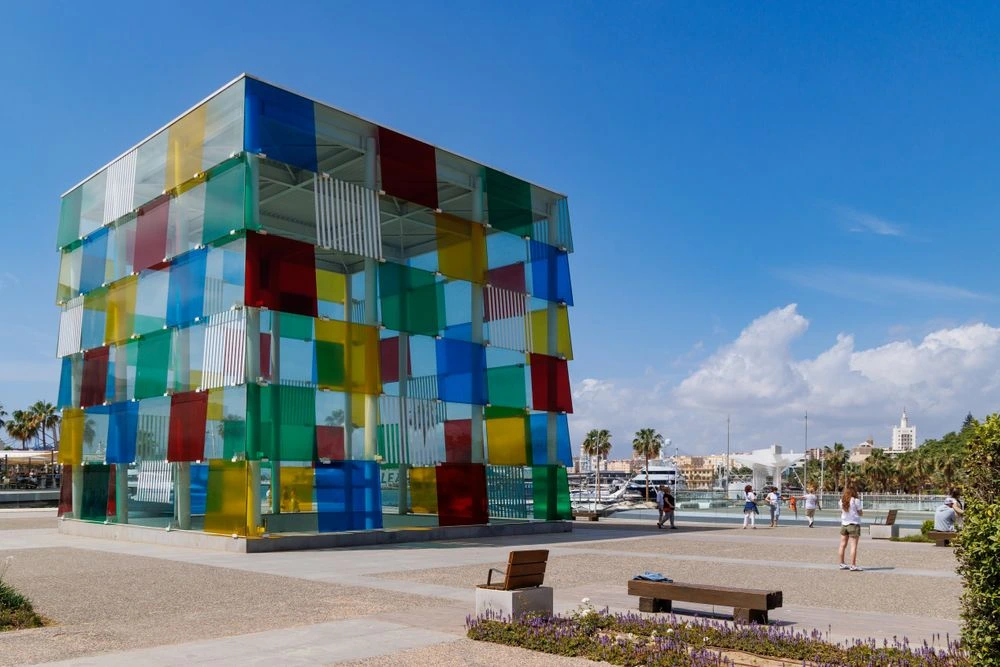
Recognizable by its colorful glass cube, Centre Pompidou Málaga is one of the city’s most distinctive modern landmarks.
The museum adds a contemporary dimension to Málaga’s cultural scene and is located beside Muelle Uno.
If you’re interested in modern and contemporary art, add it to your itinerary.
13. Walk Along the Palmeral de las Sorpresas
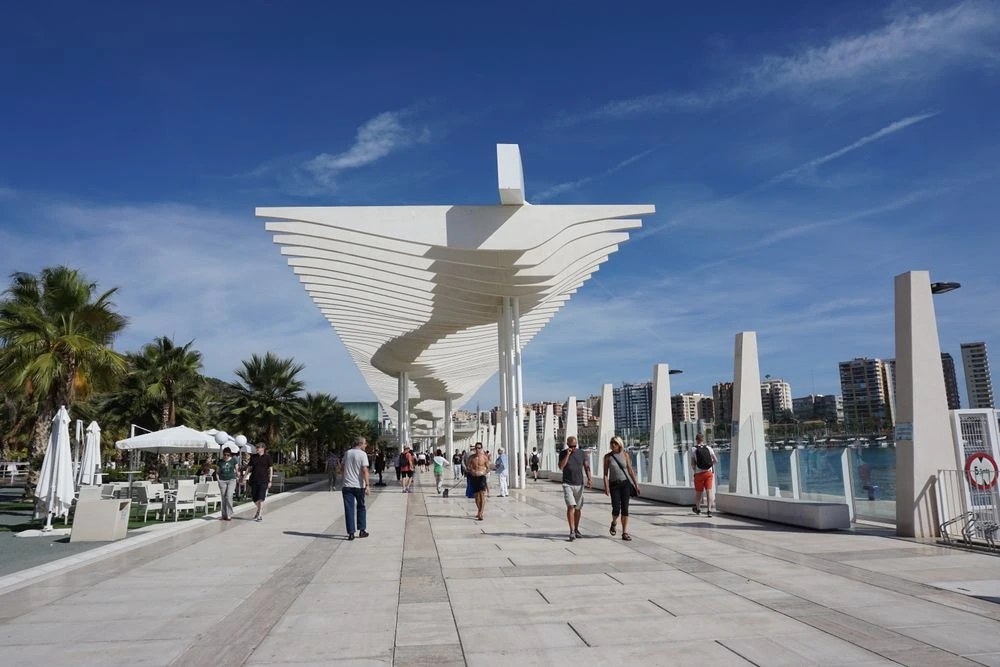
Continue along the waterfront through the Palmeral de las Sorpresas.
The palm-lined promenade is ideal for a relaxed walk between the historic center and Muelle Uno.
This is less about checking off an attraction and more about enjoying Málaga’s Mediterranean atmosphere.
14. See La Malagueta
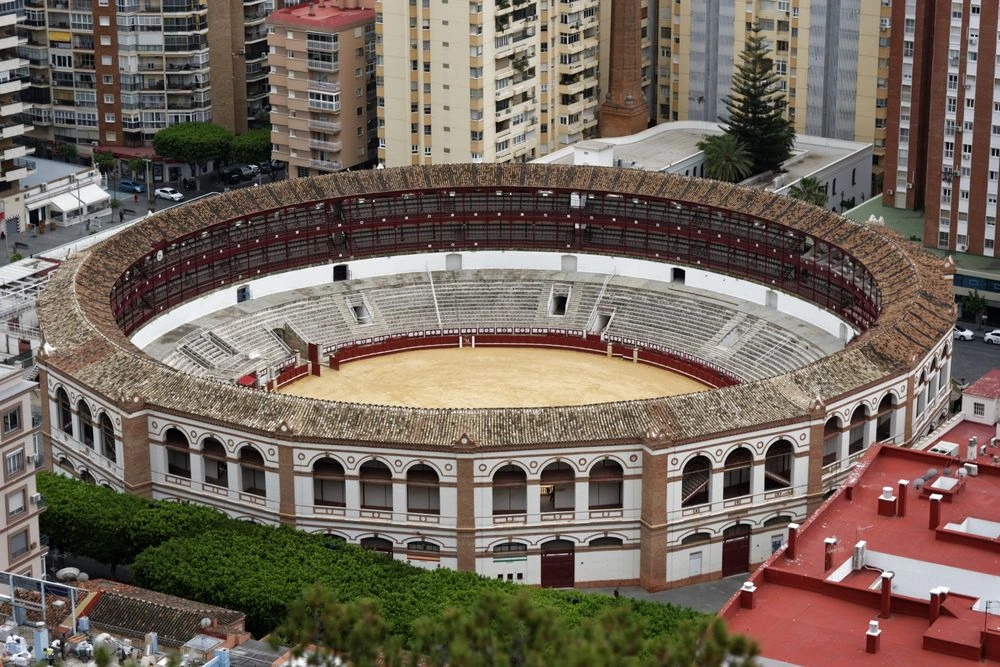
Málaga’s famous bullring, La Malagueta, is located close to the waterfront and beneath Gibralfaro.
Even if you aren’t interested in bullfighting, its distinctive architecture makes it worth seeing from outside.
The surrounding area also provides excellent access to Málaga’s eastern beaches.
15. Discover Soho Málaga

Known for its street art and creative atmosphere, Soho Málaga offers a completely different side of the city.
Wander through the neighborhood to discover colorful murals, independent businesses, galleries and cafés.
It’s a particularly good area for travelers who want something beyond Málaga’s traditional tourist attractions.
16. Spend Time in Pedregalejo
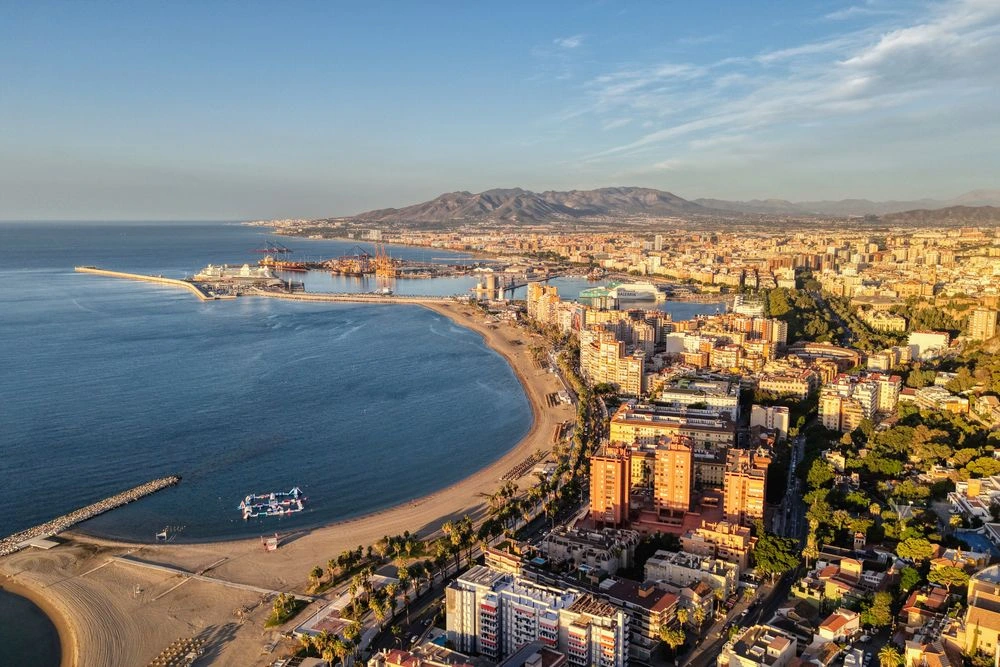
For a more local coastal atmosphere, head east to Pedregalejo.
The former fishing neighborhood is known for its small beaches, waterfront restaurants and traditional seafood culture.
It’s one of the best places in Málaga to slow down.
Walk along the promenade, choose a seafood restaurant and enjoy the Mediterranean atmosphere.
17. Explore El Palo
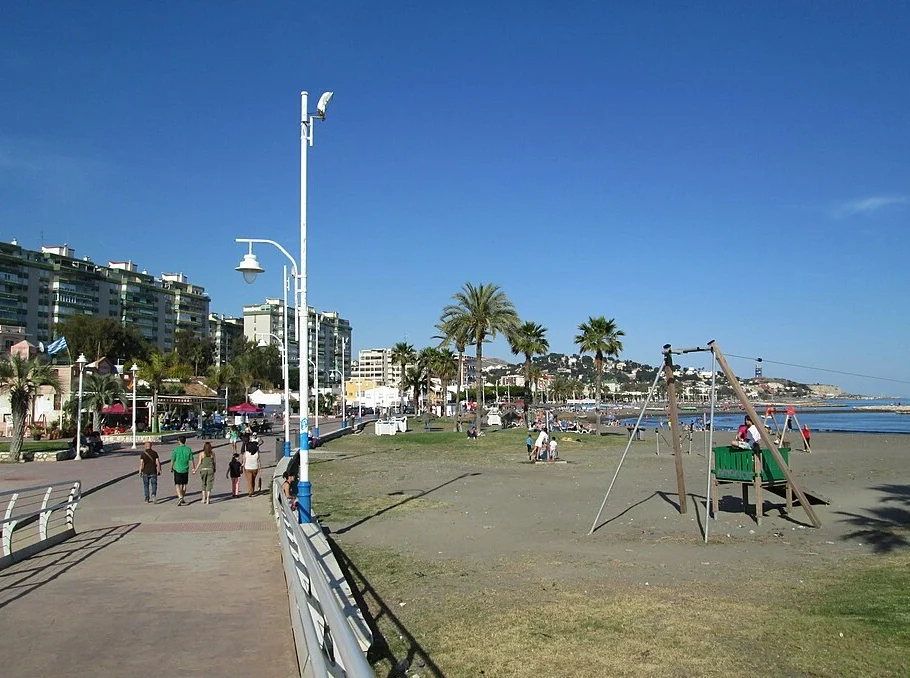
Continue farther east to El Palo, another traditional Málaga neighborhood associated with fishing and seafood.
This area is particularly famous for espeto de sardinas—sardines traditionally grilled on wooden skewers over an open fire.
For food-focused travelers, El Palo is one of the most authentic experiences to add to a Málaga itinerary.
18. Relax on La Caleta Beach
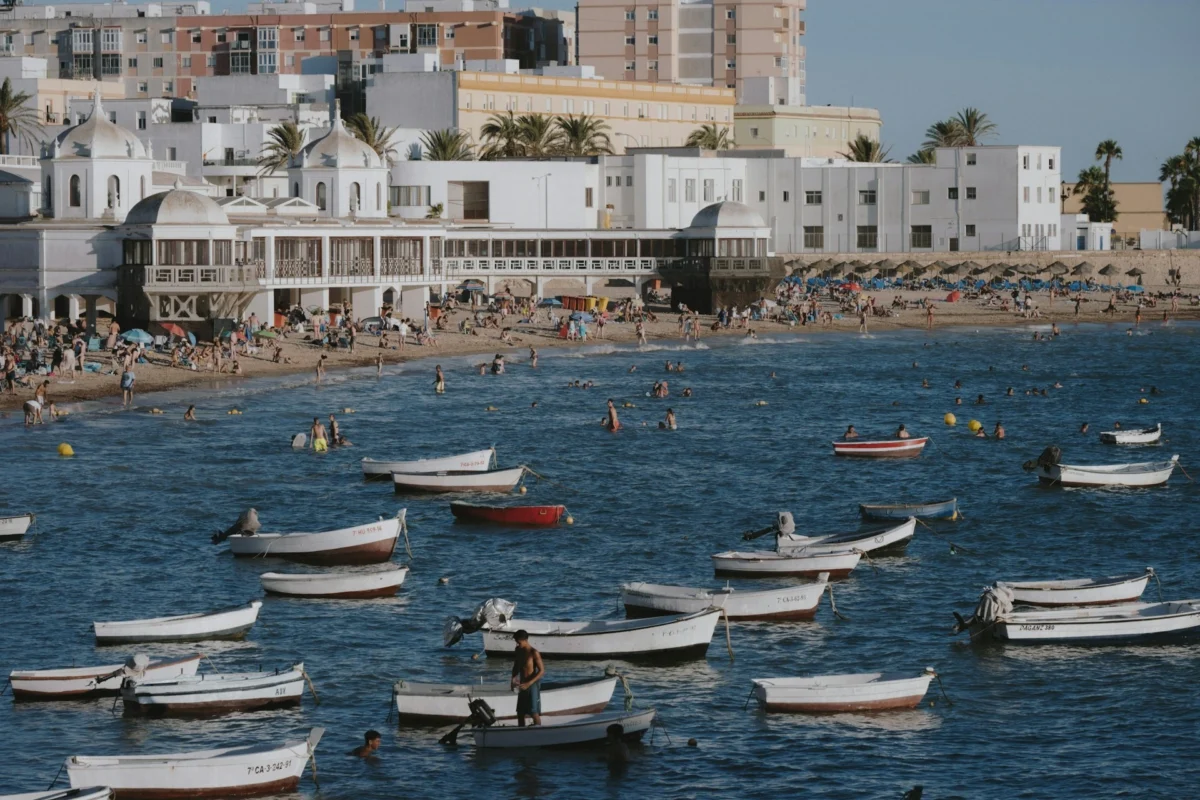
If you want a beach close to Málaga’s historic center, La Caleta is an excellent choice.
It’s conveniently located east of the city center and provides an easy way to combine sightseeing with time by the sea.
Instead of spending the entire day traveling to a distant resort, you can visit the cathedral and museums in the morning and finish the afternoon at the beach.
19. Spend a Few Hours at La Malagueta Beach
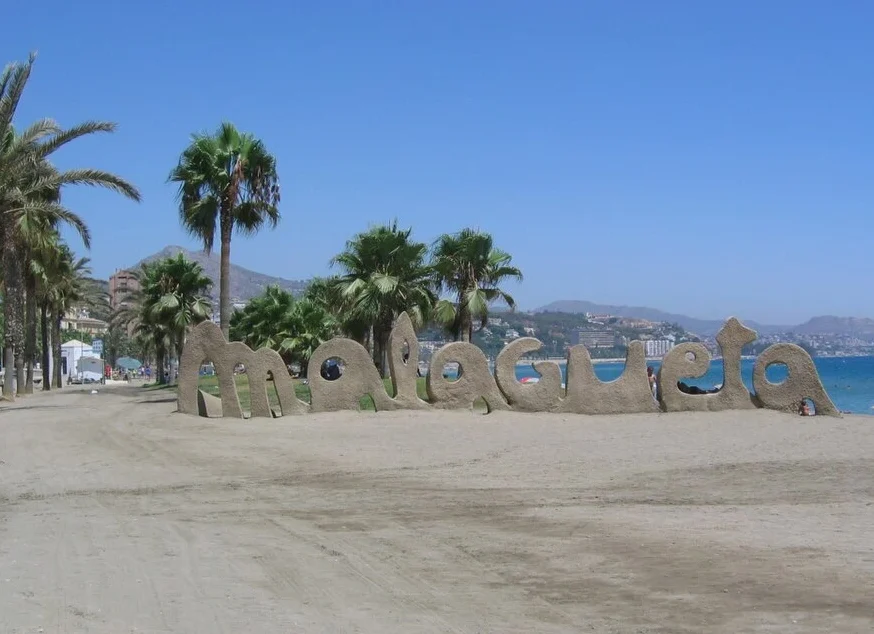
Located beside the city center, La Malagueta Beach is one of Málaga’s most convenient beaches.
Its proximity to the historic center makes it particularly useful for short trips.
You can:
- Explore the Alcazaba in the morning.
- Visit Málaga Cathedral.
- Have lunch.
- Walk toward the waterfront.
- Spend the afternoon on La Malagueta.
This is one of the easiest ways to experience both city and beach in a single day.
20. Go on a Málaga Tapas Crawl

You can’t properly experience Málaga without trying its food.
Instead of eating one large meal, turn dinner into a tapas crawl.
Try several small dishes and explore different parts of the historic center.
Look for local specialties such as:
- Boquerones
- Fried fish
- Jamón
- Manchego cheese
- Croquetas
- Ensalada malagueña
- Ajoblanco
- Local olives
For a deeper introduction to Andalusian cuisine, continue with our Andalusian Food Guide.
21. Try Traditional Espeto de Sardinas

One of Málaga’s signature food experiences is espeto de sardinas.
Sardines are skewered and traditionally grilled over an open wood fire, especially along the coastal neighborhoods.
For the best experience, head toward Pedregalejo or El Palo and choose a restaurant close to the beach.
This is more than simply trying another Spanish dish—it is one of the culinary experiences that makes Málaga distinctive.
22. Watch the Sunset Over Málaga
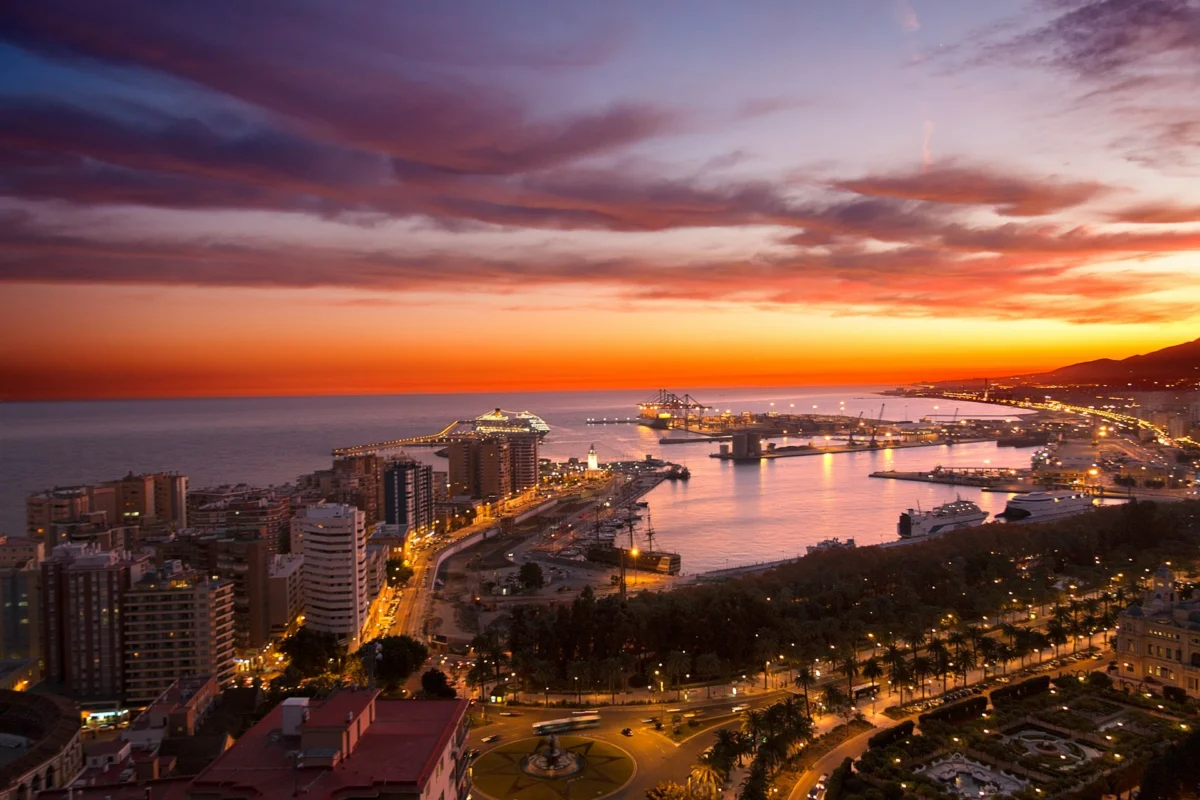
Málaga’s combination of mountains, city and Mediterranean coastline makes sunset one of the easiest free experiences to enjoy.
Good options include:
- Gibralfaro viewpoints
- Málaga waterfront
- Muelle Uno
- La Malagueta
- Eastern beaches
For panoramic views, Gibralfaro is particularly impressive.
For a relaxed evening atmosphere, choose Muelle Uno or the waterfront.
23. Take a Guided Málaga Walking Tour

Málaga’s historic center is compact enough to explore on foot, but a guided tour can add considerably more context.
A good walking tour can connect the city’s:
- Roman history
- Islamic heritage
- Catholic architecture
- Picasso connection
- Food culture
- Modern transformation
This is particularly valuable if you’re visiting Málaga for the first time.
24. Hike the Caminito del Rey
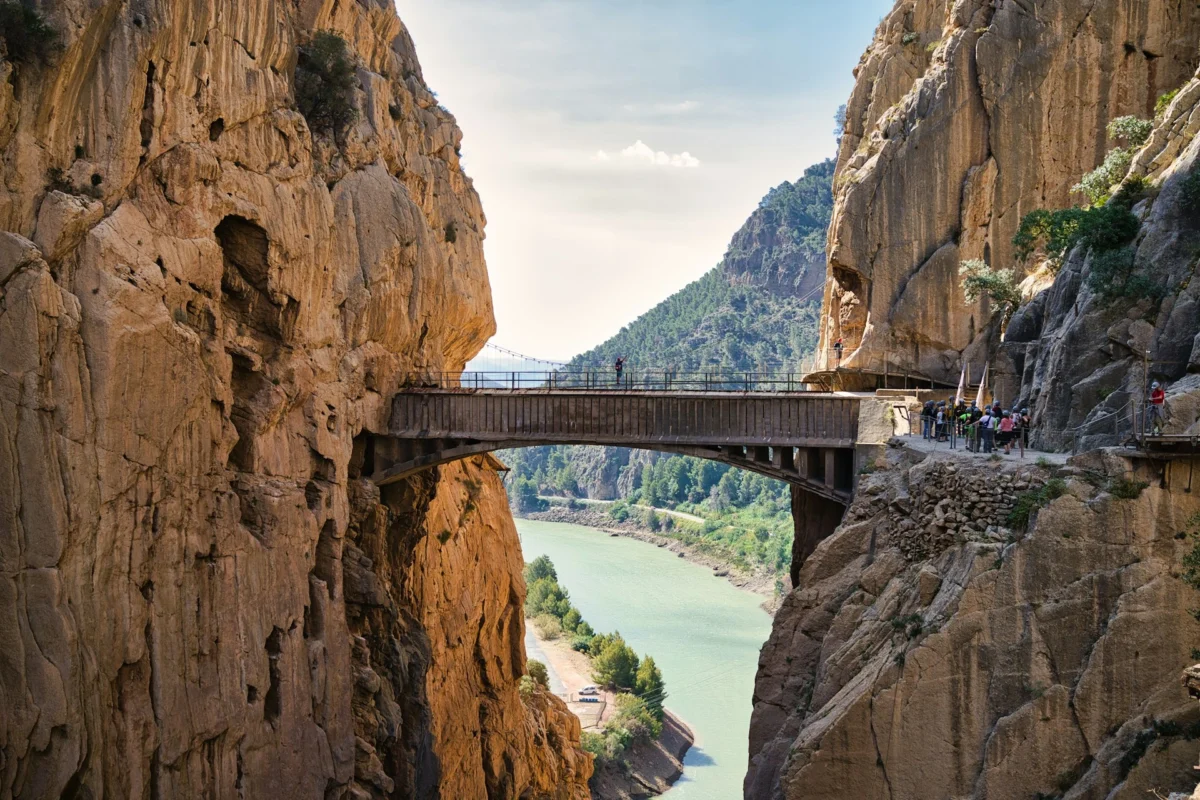
For adventure travelers, the Caminito del Rey is one of the best day trips you can make from Málaga.
The famous walkway passes through dramatic landscapes and narrow gorges, making it very different from the beaches and historic streets of Málaga.
It works particularly well for travelers staying in Málaga for three or more days.
Is Caminito del Rey worth it?
Yes—especially if you enjoy:
- Hiking
- Dramatic scenery
- Adventure
- Photography
- Nature
Because transport and logistics can be complicated, an organized excursion can be worthwhile for visitors without a rental car.
Save time planning transport and access by joining an organized Málaga-to-Caminito del Rey excursion.
What to know:
- Tickets are timed and limited and can sell out well in advance. Book as early as you can, directly through the official site.
- Bring photo ID, and expect to wear a provided helmet.
- Allow most of a day including travel. Getting there is less simple without a car, so check train and bus options or a guided excursion.
- Minimum age and weather closures apply. Check the official site.
Skip if: you are afraid of heights.
25. Take a Day Trip to Nerja & Frigiliana
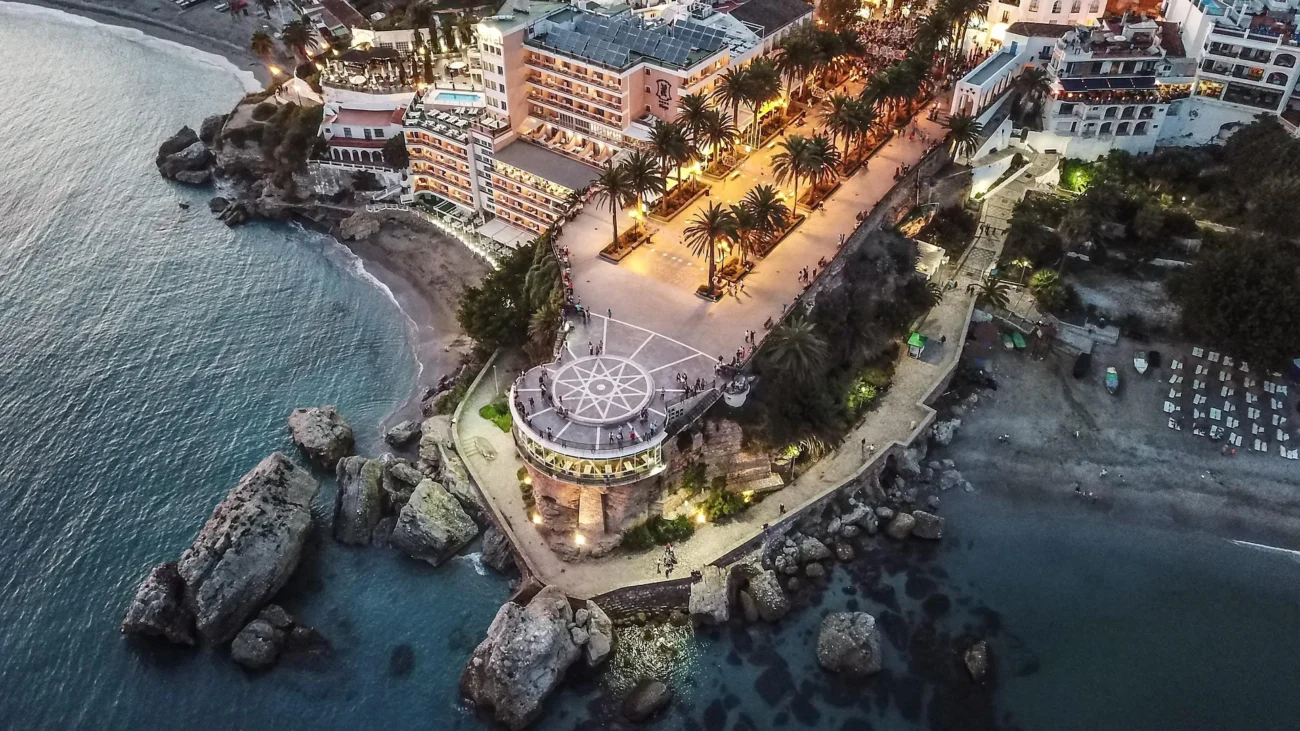
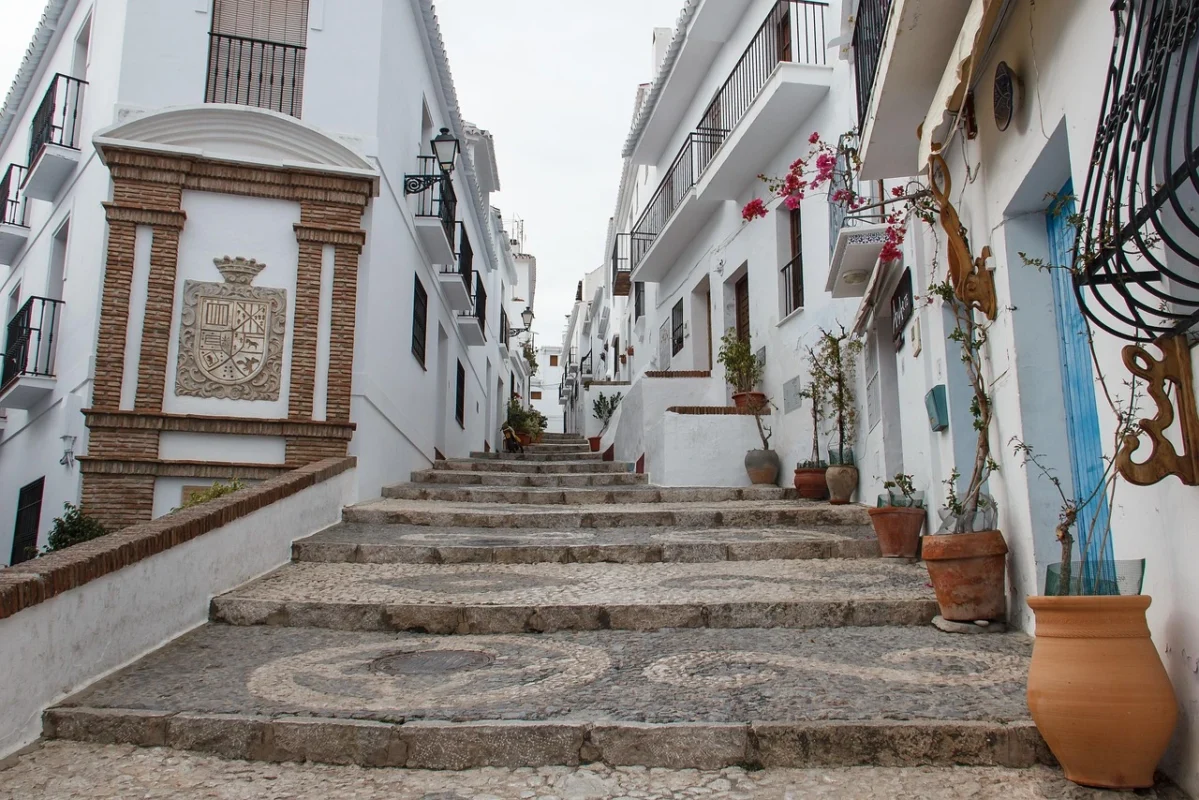
If you have extra time, combine Nerja and Frigiliana for one of the most attractive day trips from Málaga.
Nerja is known for its coastline, viewpoints and caves, while Frigiliana is one of the most beautiful white villages in the region.
The combination gives you:
Mediterranean coast + Andalusian white village + mountain scenery
It’s particularly suitable for travelers staying four or more nights in Málaga.
Best Things to Do in Málaga by Interest
If you love… |
Don’t miss |
|---|---|
| History | Alcazaba, Roman Theatre, Gibralfaro |
| Art | Picasso Museum, Centre Pompidou |
| Beaches | La Malagueta, La Caleta |
| Food | Atarazanas, Pedregalejo, El Palo |
| Photography | Gibralfaro, Alcazaba, Muelle Uno |
| Nightlife | Historic Center, Soho, Muelle Uno |
| Families | Málaga Park, beaches, museums |
| Adventure | Caminito del Rey |
| Day trips | Nerja & Frigiliana |
| Local atmosphere | Pedregalejo, El Palo, Soho |
How Many Days Do You Need in Málaga?
2 days is enough to see the main attractions.
3 days gives you time for beaches, museums, food and a more relaxed pace.
4–5 days is ideal if you want to include a day trip such as Caminito del Rey, Nerja or Frigiliana.
If Málaga is part of a larger Andalusia itinerary, 3 days is an excellent balance.
Best Time to Visit Málaga
Málaga can be visited throughout the year.
Spring
Excellent for sightseeing and walking, with comfortable temperatures.
Summer
Best for beaches and long evenings, but temperatures can be high.
Autumn
A strong combination of warm weather, fewer crowds and good conditions for exploring.
Winter
Ideal for travelers who want to focus on museums, historic attractions, food and city sightseeing.
For a broader seasonal comparison, see our Best Time to Visit Andalusia guide.
Málaga Tickets & Tours: What Should You Book in Advance?
For a smoother trip, consider booking these experiences ahead of time:
Top priority
- Alcazaba & Gibralfaro
- Picasso Museum
- Caminito del Rey
Worth considering
- Málaga walking tour
- Tapas tour
- Sunset cruise
- Nerja & Frigiliana day trip
- Málaga sightseeing experiences
Our recommended booking strategy
Don’t turn your entire itinerary into a list of pre-booked activities.
Instead, reserve the experiences where availability, timed entry or transportation matters, then leave free time for beaches, food and spontaneous exploration.
Final Thoughts
The best way to experience Málaga is not to rush from attraction to attraction.
Start with its Roman and Moorish history, discover its connection with Picasso, walk through the historic center, spend time beside the Mediterranean and finish your evenings with local food.
Then go beyond the city with Caminito del Rey, Nerja or Frigiliana.
Málaga offers a rare combination of culture, history, beaches, food and adventure—all within easy reach of one another.
Planning your Andalusia trip? Continue exploring Andalocia: