

Blog
Plaza de España in Seville: Complete 2026 Visitor Guide

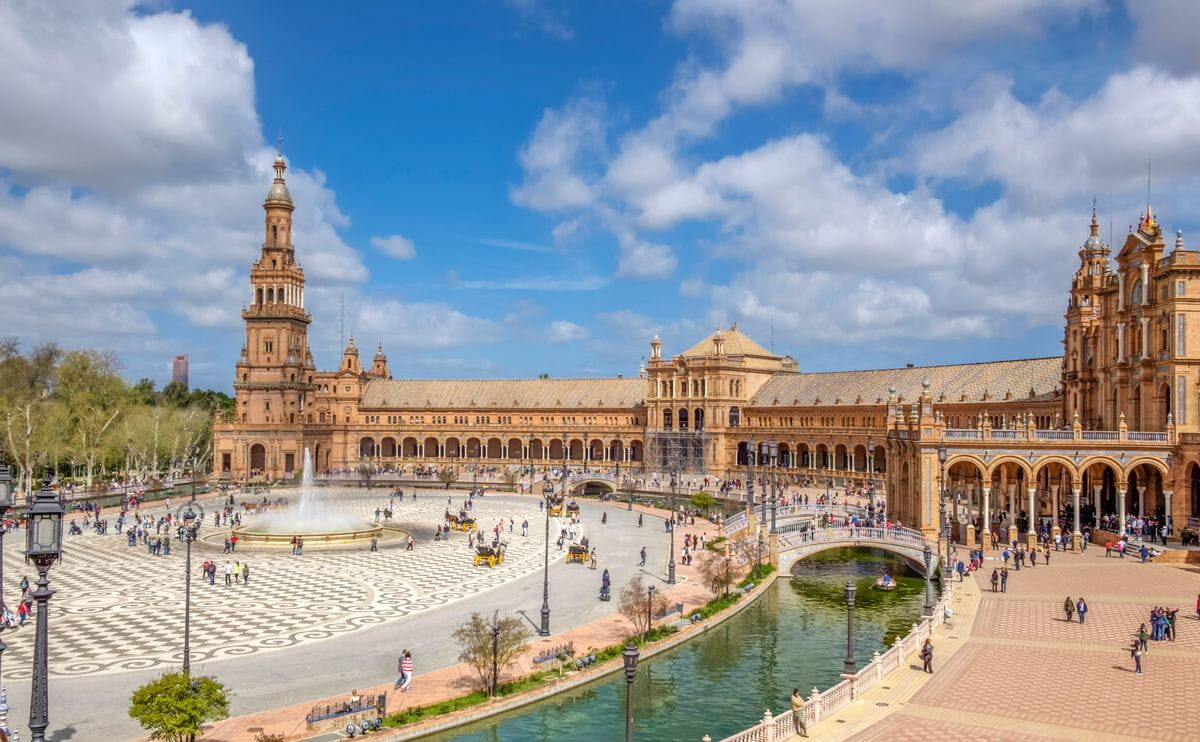
Planning a visit to Plaza de España in Seville? This spectacular landmark is one of the most impressive places to see in Andalusia. Built for the 1929 Ibero-American Exposition, Plaza de España combines grand architecture, colorful ceramic tiles, bridges, a canal, and beautiful views of María Luisa Park.
Best of all, visiting the main plaza is free, making it an easy addition to almost any Seville itinerary.
In this complete 2026 Plaza de España Seville guide, you’ll discover what to see, opening hours, how to get there, the best time to visit, boat rides, photography tips, nearby attractions, and how to plan your visit.
Plaza de España Seville: Quick Facts
| Information | Details |
|---|---|
| Location | Seville, Andalusia, Spain |
| Built | 1929 |
| Architect | Aníbal González |
| Part of | María Luisa Park |
| Entry | Free |
| Recommended Visit Time | 1–2 hours |
| Best Time to Visit | Early morning or late afternoon |
| Nearby Attractions | Seville Cathedral, Giralda & Real Alcázar |
Is Plaza de España in Seville Free?
Yes. Plaza de España is free to visit.
You don’t normally need a ticket simply to walk around the main plaza, admire the architecture, cross the bridges, or explore the surrounding area.
However, you may want to budget for optional activities such as a boat ride on the canal or guided tours of Seville.
If you’re planning to visit several major attractions during the same trip, booking your tickets and tours in advance can help you organize your itinerary and avoid wasting valuable sightseeing time.
Why Is Plaza de España Famous?
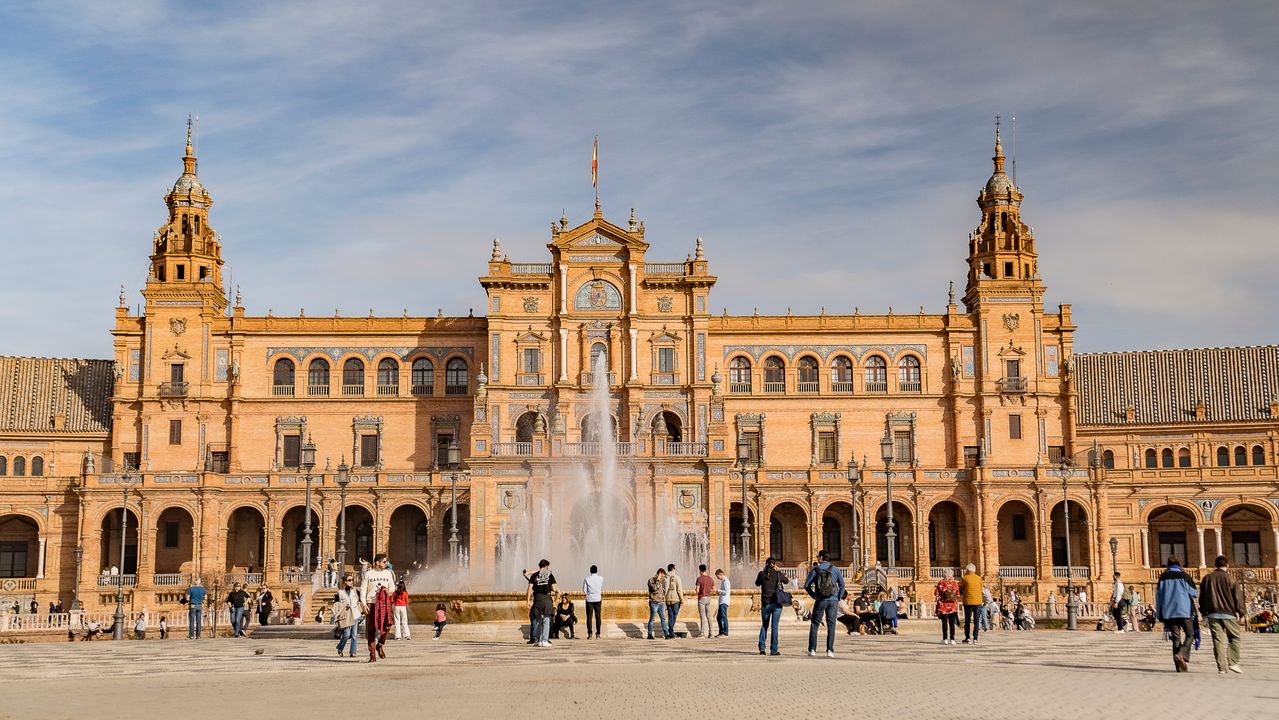
Plaza de España is famous for its enormous semicircular design, colorful ceramic decoration, four bridges, and canal.
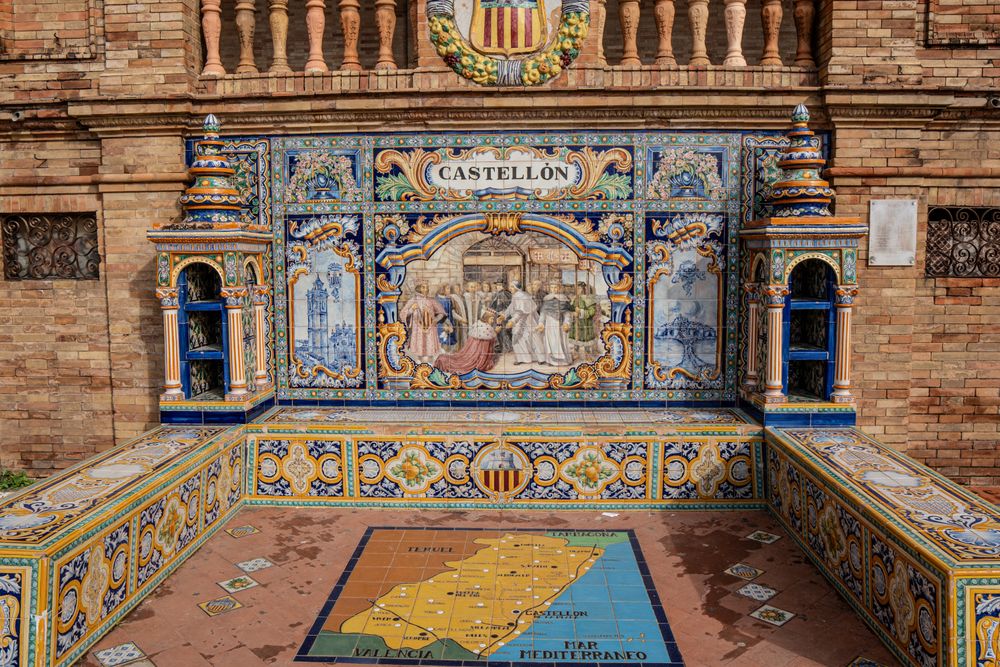
The plaza represents Spain through architecture and ceramic artwork. Along the walls are 48 tiled alcoves, representing Spanish provinces, with maps and historical scenes.
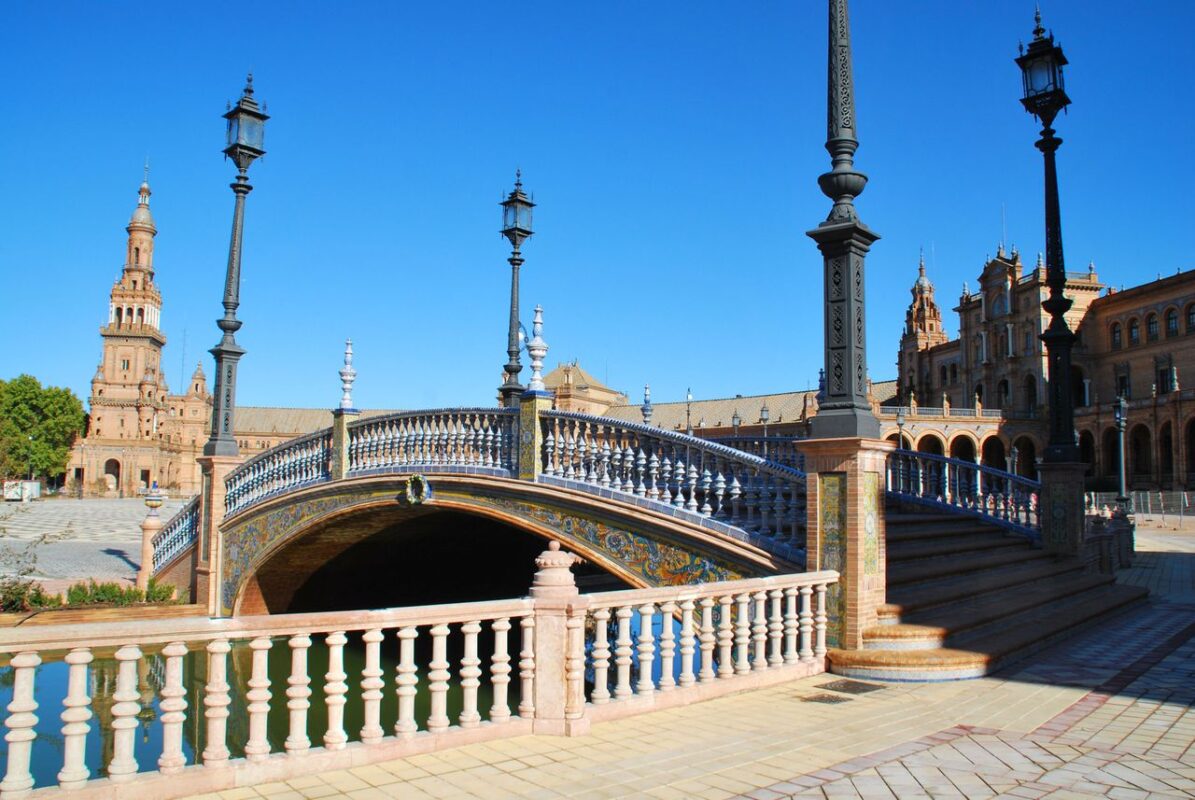
The four bridges cross the small canal and represent the ancient kingdoms of Spain.
The result is one of the most recognizable landmarks in Seville—and one of the most photographed locations in Andalusia.
A Short History of Plaza de España
Plaza de España was designed by Sevillian architect Aníbal González for the 1929 Ibero-American Exposition.
Its architecture combines elements associated with Spanish Renaissance, Baroque and Moorish traditions, creating a monumental style that is closely associated with Seville.
The plaza became one of the most important architectural projects of the exposition and remains one of the city’s most popular attractions.
What to See at Plaza de España
1. The Ceramic Provincial Alcoves
One of the most interesting details is the collection of colorful ceramic alcoves around the plaza.
Each represents a Spanish province and includes decorative tilework, maps and historical scenes.
Take your time walking around the building because these details are easy to miss if you only stop in the central area.
2. The Four Bridges
Four elegant bridges cross the canal.
They are among the most recognizable features of Plaza de España and provide excellent viewpoints for photographs.
3. The Canal
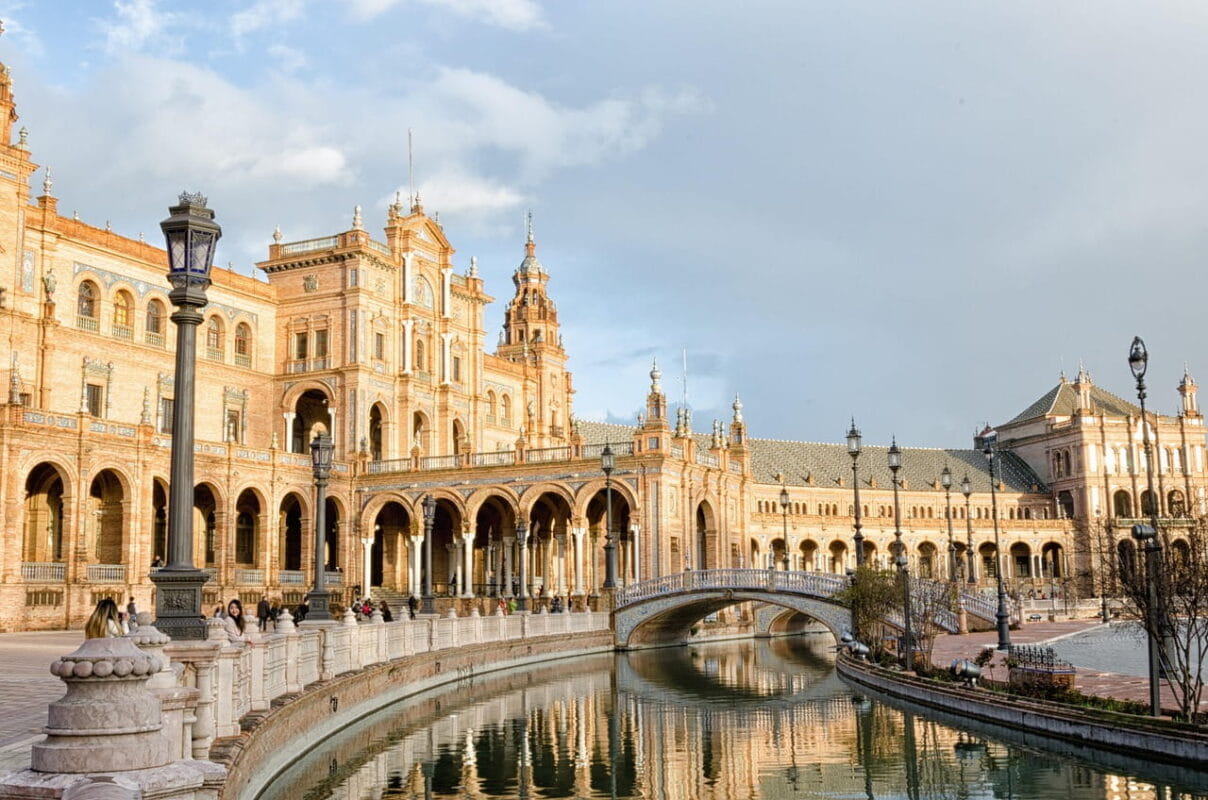
The canal curves around the central area of the plaza.
Depending on the current operating arrangements, visitors can enjoy a small boat ride along the water.
It’s a relaxing way to experience the architecture from a different perspective.
4. The Central Fountain
The fountain sits in the middle of the plaza and creates an impressive focal point when viewed from the surrounding building.
For photography, try different angles rather than taking only the classic front-facing shot.
5. María Luisa Park
Don’t leave immediately after visiting the plaza.
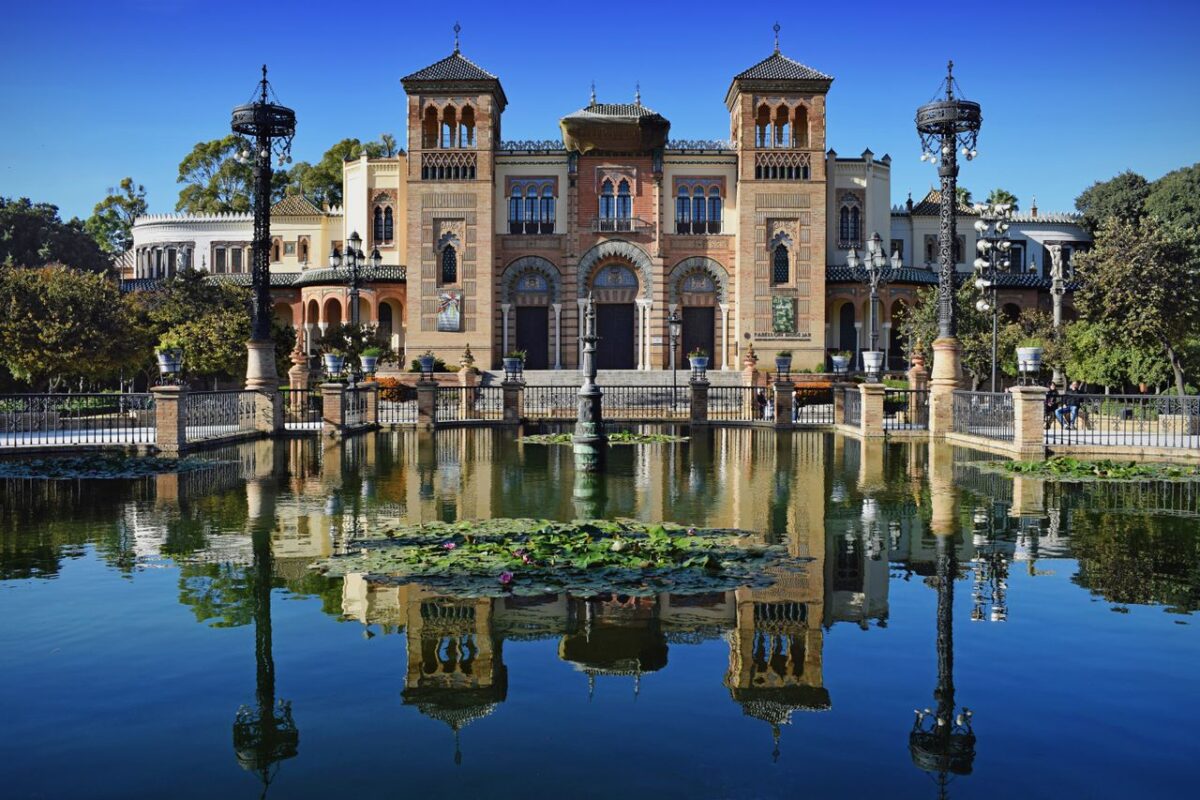
Plaza de España is located inside María Luisa Park, one of Seville’s most beautiful green spaces.
The park contains shaded paths, gardens, fountains and other historic features, making it easy to combine the two attractions.
How Long Do You Need at Plaza de España?
Allow approximately 1–2 hours for Plaza de España itself.
If you also want to explore María Luisa Park, take photographs, enjoy a boat ride and visit nearby attractions, plan for half a day.
A good strategy is to visit Plaza de España in the morning and then continue toward Seville’s historic center.
Best Time to Visit Plaza de España
The best time depends on what you want from your visit.
Early Morning
Early morning is ideal if you want:
- Fewer visitors
- Softer light
- Better photography opportunities
- A quieter atmosphere
Late Afternoon
Late afternoon can be excellent for photography as the light becomes warmer.
It can also be a good time to combine Plaza de España with an evening walk through Seville.
Summer
Seville can become extremely hot during summer afternoons.
If you’re visiting between June and August, consider going earlier in the day or later in the afternoon and carrying water.
How to Get to Plaza de España
Plaza de España is located in the southern part of central Seville, inside María Luisa Park.
You can reach it by walking, public transport, bicycle or taxi depending on where you’re staying.
The central location also makes it easy to combine with other major attractions.
Is Plaza de España Worth Visiting?
Absolutely.
Even if you only have a short time in Seville, Plaza de España is one of the landmarks worth prioritizing.
It combines impressive architecture, history, photography opportunities and a beautiful park—and you can experience the main plaza without paying an entrance fee.
For travelers building an Andalusia itinerary, it’s also an easy attraction to combine with Seville Cathedral, the Giralda, the Real Alcázar and the historic Santa Cruz district.
Best Things to Do Near Plaza de España
After visiting the plaza, consider adding:
- María Luisa Park
- Seville Cathedral
- La Giralda
- Real Alcázar of Seville
- Santa Cruz
- Archivo de Indias
- Torre del Oro
- Guadalquivir River
If you’re visiting Seville for two or three days, these attractions can be organized into a convenient sightseeing itinerary.
Plaza de España Photography Tips
Plaza de España is one of the best photography locations in Seville.
For better photos:
- Arrive early for a quieter atmosphere.
- Photograph the plaza from the main central viewpoint.
- Capture the bridges and canal together.
- Look closely at the ceramic details.
- Walk around the semicircle for different perspectives.
- Include María Luisa Park in some wider shots.
- Visit again around sunset if your schedule allows.
Final Tips for Visiting Plaza de España in 2026
Plaza de España should be near the top of your Seville itinerary.
Visit early or later in the day, allow at least an hour, explore the ceramic details, walk across the four bridges, and continue into María Luisa Park.
If you’re visiting Seville for the first time, combine Plaza de España with the Real Alcázar, Seville Cathedral and Santa Cruz to make the most of your day.
And if you’re planning a wider Andalusia trip, don’t miss our other travel guides for the region.
Check available Seville tours, attraction tickets and local experiences before your trip so you can plan your sightseeing in advance.
One thought on “Plaza de España in Seville: Complete 2026 Visitor Guide”